The Brancacci Chapel and the “New Rooms” of Santa Maria del Carmine
Mi., 07/08/2026 - 14:52
In the Oltrarno district, within the Church of Santa Maria del Carmine, lies one of the absolute masterpieces of the Florentine Renaissance: the Brancacci Chapel.
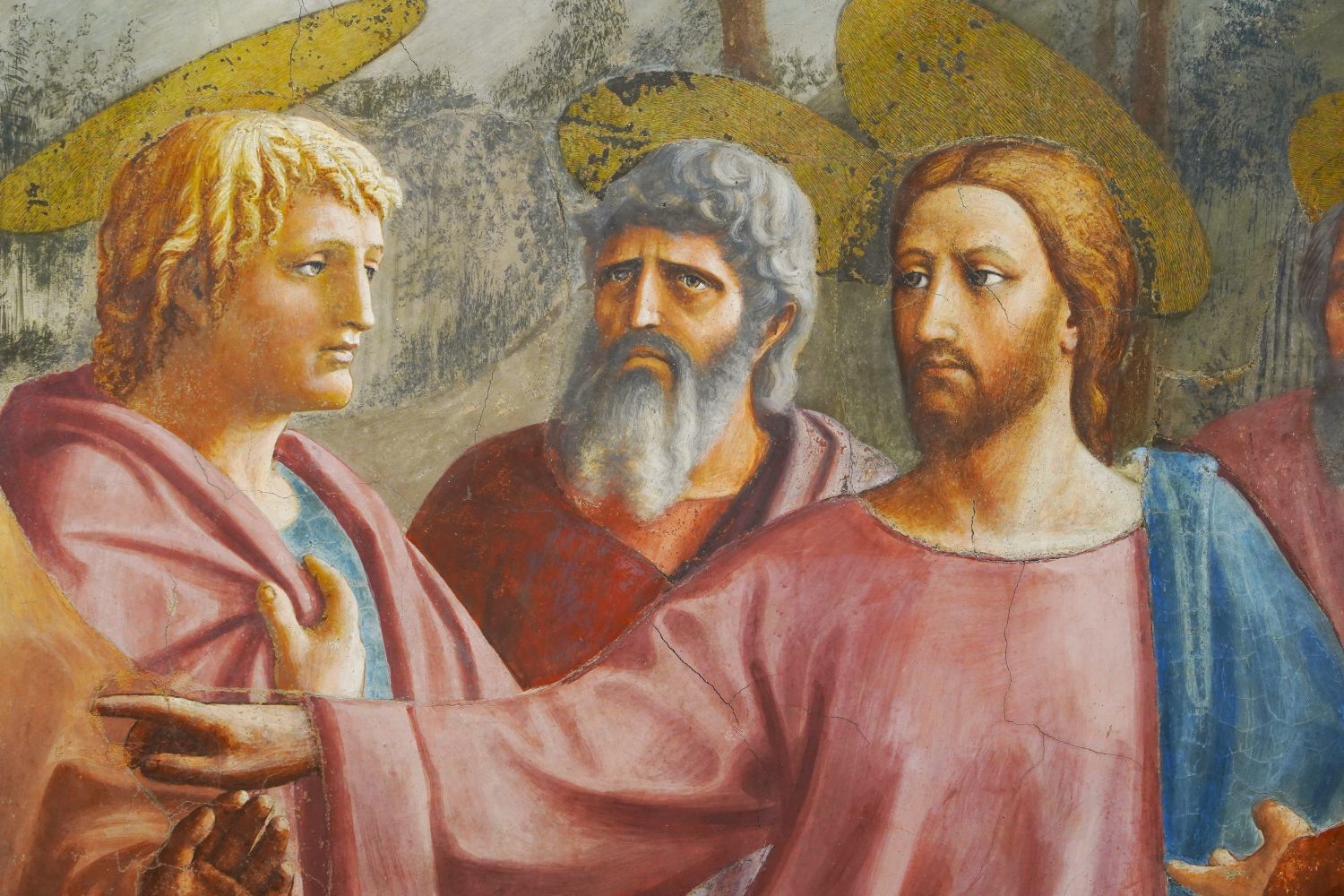
The Chapel owes its renown to an extraordinary fresco cycle — commissioned by Felice Brancacci and executed by Masaccio and Masolino da Panicale, with the work later completed by Filippino Lippi — which offers one of the most comprehensive depictions of the Stories of Saint Peter.
The frescoes of the Brancacci Chapel left a profound mark on the history of Western painting, establishing a new vision of art: a style capable of uniting human emotion, dramatic storytelling, and technical innovation. The figures inhabiting these scenes seem to occupy the space through the expression of their grief, the heaviness of bodies marked by remorse, and the shadows that anchor them to the earth, creating a powerful sense of realism.
Today, the visitor experience is enriched with the opening of two new historic spaces within the monumental complex of the Church of Santa Maria del Carmine: the Sala Vanni and the Sala della Colonna.
The Sala Vanni, which extends along nearly an entire side of the complex and overlooks the Carmine convent’s cloister, originally served as the religious community’s main refectory. Created in the second half of the 17th century, the hall takes its name from Giovan Battista Vanni, the artist behind the large fresco depicting Christ at the House of Simon the Pharisee; this work still dominates one of the room's walls and stands as one of the most significant examples of the complex's 17th-century decoration.
The Sala della Colonna — located in the Carmine’s first cloister, between the old and new refectories — takes its name from the large 14th-century column standing in the center of the room. The walls display detached frescoes and "sinopie" (preliminary sketches) from the cloister and the church, exhibited for their historical and artistic importance. Among the oldest works, a standout piece is a fresco by Pietro Nelli depicting the Enthroned Madonna and Child flanked by four saints and two kneeling donors; dating to around 1381–1385, it was discovered during the 1859–1860 search for Masaccio’s lost Sagra fresco.
Another work from the same research project is identified as The Confirmation of the Carmelite Rule and attributed to Fra Filippo Lippi, who was a young novice at the convent at the time.
The room also houses the remains of the fresco decoration from the Chapel of Saint Jerome, executed between 1402 and 1404 by Gherardo Starnina. These fragments survived the chapel's 17th- and 18th-century alterations and were uncovered in 1932 during investigations led by Procacci.
On another wall, The Repentance of Peter and Feed My Sheep are attributed to Masolino da Panicale; in 1424, he began decorating the chapel, starting with the vault sections depicting the four Evangelists.
The collection in the Sala della Colonna is completed by a fresco showing Christ Crucified with three Carmelite friars at his feet, attributed to Paolo Schiavo and dating to around 1425.
These new rooms are another reason to visit this intimate treasure trove of Renaissance art — a must to see!