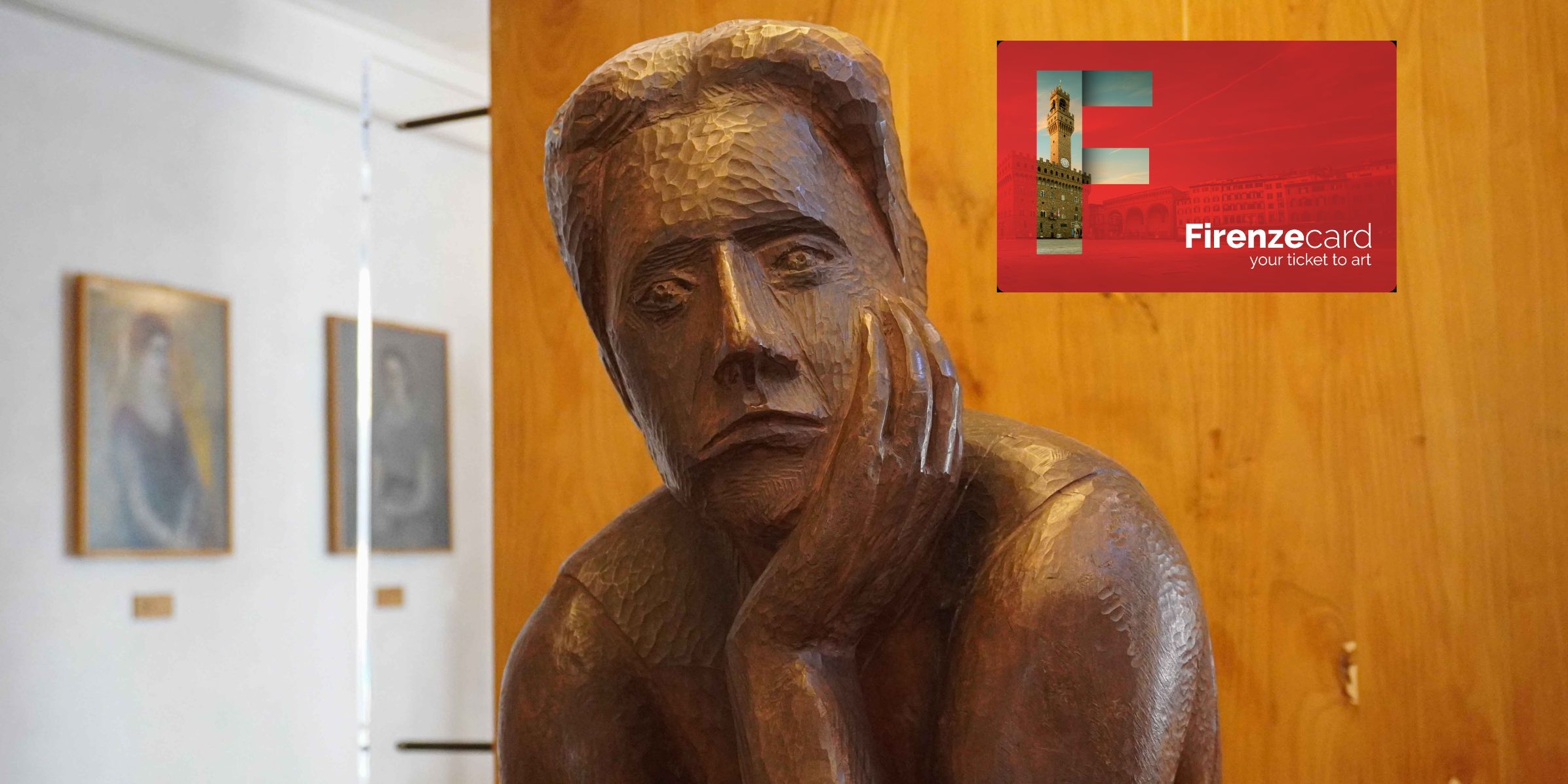
A tour of 10 museums off the beaten track to visit in Florence
Fri, 11/13/2026 - 15:35
10 unusual museums to visit in Florence: hidden treasures away from the most popular tourist routes
Florence is home to numerous lesser-known museums, yet they are rich in works of art, private collections, Renaissance masterpieces and artefacts from the city’s history. Among the most interesting destinations for those wishing to discover a less crowded Florence are the Horne Museum, the Stefano Bardini Museum, Casa Buonarroti, the Marino Marini Museum, the Stibbert Museum, Davanzati Palace Museum, Franco Zeffirelli Museum, Dante House Museum, Bandini Museum in Fiesole, and Textile Museum of Prato.One of the advantages of the Firenzecard, the official pass for Florence’s museums, is the opportunity to discover numerous museums in addition to the most famous ones, such as the Uffizi Gallery. Using the official app, you can locate nearby museums and plan a personalised cultural itinerary.
Many of these venues are veritable house museums, created from significant private collections donated to the city or to the Italian state. Although they attract fewer tourists than the major attractions, they house works of extraordinary historical and artistic value.
Visiting Florence also means going beyond the Uffizi and the Accademia: house museums, private collections and lesser-visited museums tell extraordinary stories and allow you to discover the city’s artistic heritage from a fresh perspective.
Which museums should you visit in Florence, apart from the Uffizi, the Accademia and the other major museums in the historic centre?
Here are five museums to visit in Florence to discover surprising collections, historic residences and masterpieces off the beaten track.1. The Horne Museum: a house museum where you can discover Renaissance art
The Horne Museum is one of the most interesting house museums in Florence and houses a prestigious collection of paintings, sculptures, furniture and works of art from the Middle Ages to the Renaissance.Upon the death of the English collector Herbert Percy Horne in 1916, his collection was donated to the Italian State. Today, the museum offers visitors the chance to step inside a refined historic Florentine residence and admire the works collected by one of the most discerning art collectors of his time.
Among the masterpieces housed in the museum, the small painting depicting Saint Stephen, attributed to Giotto, stands out as a testament to Horne’s extraordinary ability to identify works of the highest quality.
The collection also includes antique furniture, painted chests, sculptures and finely decorated everyday objects. Of particular interest are the wedding chests, large painted chests that were traditionally given to brides on their wedding day.
Like the Stefano Bardini Museum and Palazzo Davanzati, the Horne Museum offers an experience that goes beyond a simple museum visit: it allows you to discover what life was like in a stately home of the past, surrounded by works of art and precious objects.
Why visit: to admire a collection of Renaissance art in an authentic house-museum and discover the refined taste of historic Florentine collecting.
Visiting time: 1 h
Price without the Firenzecard: 8,00 €
2. Stefano Bardini Museum: the museum of the ‘prince of antique dealers’
The Stefano Bardini Museum is one of the most fascinating museums in Florence, famous for its collection of medieval and Renaissance art and for its distinctive Bardini-blue walls.Not to be confused with Villa Bardini, situated on the hill above, the Stefano Bardini Museum originated from the private collection of the antiquarian and art dealer Stefano Bardini.
Unlike Herbert Percy Horne, who collected mainly out of personal passion, Bardini was a professional in the antiques trade. He purchased the palace that now houses the museum and transformed it into an exhibition space, designed also as a venue for selling and showcasing works of art.
In 1922, his collection was bequeathed to the City of Florence.
The museum houses an important collection of works of art and artefacts: painted chests and trunks, antique furniture, devotional Madonnas, busts, sculptures and architectural elements from various periods.
One of the museum’s most recognisable features is the so-called ‘Bardini blue’, the distinctive shade of blue used on the walls to enhance the works on display. This design choice, which has become one of the museum’s distinctive features, was also emulated in other European exhibitions.
The entire exhibition layout reflects the eclectic and refined taste of Stefano Bardini, nicknamed the ‘prince of antique dealers’.
Why visit: to discover an extraordinary collection of medieval and Renaissance art and to admire a museum layout with a unique character.
Visiting time: 1 h
Price without the Firenzecard: 7,00 €
3. Casa Buonarroti: discovering the young Michelangelo
Casa Buonarroti is a museum in Florence dedicated to Michelangelo’s family and houses two important early works by the great Renaissance artist: the Madonna della Scala and the Battle of the Centaurs.Michelangelo’s surname was Buonarroti, and it is precisely this house that allows visitors to delve deeper into the history of his family and discover some of the earliest masterpieces of his artistic output.
The two most important pieces in the collection are the Madonna della Scala and the Battle of the Centaurs, created by Michelangelo when he was still very young, between the ages of 15 and 17.
These two works are particularly significant as they bear witness to the sculptor’s precocious artistic maturity and his ability to experiment with different relief techniques, foreshadowing the talent that would make him one of the greatest artists in history.
The museum is housed in the residence purchased by Michelangelo Buonarroti the Younger, a descendant of the artist, who in the 17th century sought to celebrate his family’s origins and prestige through a major programme of interior decoration.
As well as Michelangelo’s works, Casa Buonarroti houses a collection of ancient sculptures that once belonged to the family, along with the artist’s original drawings and models. Some of the drawings are exhibited on a rotating basis to ensure their preservation.
Why visit: to admire two of Michelangelo’s early works up close and to gain a deeper understanding of the history of the Buonarroti family through a collection of great artistic value.
Visiting time: 45’-60’
Price without the Firenzecard: 8,00 €
4. Marino Marini Museum: contemporary art in a historic church
The Marino Marini Museum in Florence is dedicated to the artist Marino Marini (1901–1980), renowned for his sculptures depicting horses and horsemen, and is housed within the walls of an old deconsecrated church.
The museum offers a fascinating blend of historic architecture and modern art. The collection is dedicated to Marino Marini, a sculptor and painter born in Pistoia, who was one of the leading figures in 20th-century Italian art.His best-known works are the sculptures centred on the theme of the horse and rider, a recurring motif in his artistic output characterised by a strong sculptural expressiveness.
The museum tour takes place within a deconsecrated church, transformed into an exhibition space thanks to contemporary architectural interventions that have enhanced the original structure.
The visit also includes the Rucellai Chapel, situated within the complex. This space houses the famous Tempietto del Santo Sepolcro, designed by Leon Battista Alberti between 1457 and 1467 and considered one of the most significant examples of the Florentine Renaissance.
Why visit: to learn about one of the leading figures in 20th-century Italian sculpture and to discover a fascinating dialogue between contemporary art, medieval architecture and the Renaissance.
Visiting time: 1 h
Price without the Firenzecard: 10,00 €
5. Stibbert Museum: weapons, armour and collections from around the world
The Stibbert Museum is one of the most unique museums in Florence, famous for its extraordinary collection of European, Islamic and Japanese weapons and armour, as well as for its costumes, paintings and works of art.Situated in the hills of Florence, in a residential area within walking distance of the historic centre or accessible by bus, the museum is housed in the villa that was once the home of the collector Frederick Stibbert (1838–1906), who was born in Florence to an English family.
Stibbert devoted much of his life to collecting works of art, artefacts and objects from various cultures and historical periods.
Today, the museum houses a collection of exceptional variety. The collections include weapons and armour, historical costumes, furniture, tapestries, paintings and applied art from the 16th to the 19th centuries.
Among the most spectacular rooms is the Sala della Cavalcata, where life-size European and Eastern horsemen are on display, complete with their respective armour and horse tack.
The Japanese section is also particularly significant, comprising weapons, armour, bronzes, costumes and lacquerware. It is one of the most important collections of Japanese art held outside Japan.
The tour continues into the large historic park surrounding the villa, a garden rich in decorative features, statues and even a small Egyptian temple. The park, too, perfectly reflects the collector’s personality and eclectic taste.
Why visit: to admire one of the world’s most important collections of weapons and armour, discover different cultures and visit a historic villa set within a picturesque park.
Visiting time: 1- 1.5 h
Price without the Firenzecard: 12,00 €
5. Palazzo Davanzati Museum: history, architecture and collections of the Museum of the Ancient Florentine House
The Palazzo Davanzati Museum, also known as the Museo della Casa Fiorentina Antica, is one of Florence’s most important museums dedicated to medieval residential architecture and the furnishings of ancient Florentine residences.Situated in Piazza Davanzati, in the historic centre of Florence, the museum offers an insight into how noble and merchant families lived in Florence during the Middle Ages and the Renaissance.
Palazzo Davanzati is a historic 14th-century building that originally belonged to the Davizzi family, prestigious Florentine merchants and bankers. The palace retains the name of the Davanzati family, who purchased it in 1578, embellishing the façade with their large family coat of arms. The family lived in the building until 1838.
Palazzo Davanzati is a significant example of 14th-century Florentine civil architecture. Its imposing façade overlooks the square of the same name, an area which was once characterised by the presence of numerous medieval tower houses.
The interior layout retains the typical organisation of ancient Florentine dwellings. The various floors feature a succession of rooms following a recurring pattern:
- "Sala madornale": the large main hall, which extends the full length of the façade.
- "Sala da giorno": the space set aside for daily activities and family life.
- "Studiolo": a more intimate room, dedicated to personal pursuits.
- "Bedroom": the private quarters of the residence.
Why to visit: Visiting the Palazzo Davanzati Museum means stepping into a genuine medieval historic residence and gaining an intimate insight into the evolution of domestic life in Florence.
Visiting time: 45'-60'
Price without the Firenzecard: 8,00 €
7. Franco Zeffirelli Museum: the Maestro’s works, set designs, costumes and artistic legacy
The Franco Zeffirelli Museum is dedicated to the life, career and work of the renowned Florentine director, screenwriter, set designer and costume designer Franco Zeffirelli.Situated within the San Firenze Monumental Complex, in the historic centre of Florence, the museum houses over 300 works that chronicle more than seventy years of the Maestro’s artistic career in the fields of theatre, opera and cinema.
The permanent collection documents Franco Zeffirelli’s creative and design process through various types of works:
- Set sketches: preparatory drawings used to design theatre, opera and film sets.
- Costume sketches: illustrations showing the study and design of characters’ costumes.
- Set models: scale models of stage sets and spaces.
- Stage costumes: costumes created for theatre, opera and film productions.
These materials offer an intimate insight into Zeffirelli’s working methods, his aesthetic exploration and his ability to transform ideas, drawings and artistic visions into major productions for the theatre and cinema.
One of the most evocative rooms in the Franco Zeffirelli Museum is the Hall of Hell, the highlight of the exhibition itinerary.
In this room, a short film is screened in Full HD, created using animation based on the Maestro’s original drawings, which were designed to represent his personal interpretation of the Inferno as described in Dante Alighieri’s Divine Comedy.
This multimedia experience allows visitors to step into Zeffirelli’s visual imagination and discover his relationship with one of the fundamental masterpieces of Italian literature.
Why to visit: a visit to the Franco Zeffirelli Museum offers an insight into the creative process of a major figure in Italian and international culture, through original drawings, set designs, costume sketches, costumes and materials spanning over seventy years of artistic activity.
Visiting time: 1- 1.5 h
Price without the Firenzecard: 12,00 €
8. The Casa di Dante Museum in Florence: an immersive journey through the life and works of the Supreme Poet
The Casa di Dante Museum is a museum in Florence dedicated to the life, history and works of Dante Alighieri, one of the most important poets in Italian and world literature, author of the Divine Comedy and regarded as the father of the Italian language.Situated in the historic centre of Florence, within the medieval complex of buildings linked to the Alighieri family, near the Torre della Castagna, the museum offers an exhibition itinerary dedicated to the figure of Dante, his relationship with Florence and the historical, political and cultural context in which he lived.
Through audiovisual installations, video mapping, immersive environments and virtual reality, visitors can gain a deeper insight into the poet’s life and discover the universal value of his work.
The installations are designed to make the historical and literary content more accessible and engaging, transforming the visit into an interactive journey through the poet’s life and works.
The exhibition itinerary at the Casa di Dante Museum guides visitors on a journey of discovery through the various facets of Dante Alighieri’s personality.
Inside the museum, visitors can explore:
- Dante the man: the poet’s private life, cultural upbringing and family background.
- Dante the soldier: Dante’s role in the military affairs of medieval Florence.
- Dante the politician: his involvement in Florentine public life, the struggles between factions and the ex
- Dante the poet: his literary output and his fundamental contribution to the emergence of the Italian language.
- Dante and Florence: the relationship between the poet and the city where he was born, lived and developed his political and cultural outlook.
Why to visit: Dante' House Museum offers an intimate insight into the life and thought of Dante Alighieri, a deeper understanding of the history of medieval Florence, and an opportunity to discover the cultural and literary significance of the Divine Comedy.
Visiting time: 45'-60'
Price without the Firenzecard: 8,00 €
9. Bandini Museum in Fiesole: medieval art, ancient paintings and sculptures from the Della Robbia workshop
The Bandini Museum in Fiesole is an art museum housing an important collection of sacred works and artistic artefacts from the Middle Ages and the early Renaissance, with a particular focus on Florentine and Tuscan painting from the 13th to the 15th centuries.Located in Fiesole, the Bandini Museum is a key destination for learning about the history of medieval and Renaissance sacred art and gaining a deeper understanding of the artistic heritage of the Fiesole and Tuscan regions.
The museum takes its name from Canon Angiolo Maria Bandini, a collector and lover of antiquities, who, over the course of his life, assembled a significant collection of works of art, creating a veritable Museum of Sacred Art. The collection includes panel paintings, works of Byzantine origin and terracotta sculptures produced by the Della Robbia workshop.
Among the main sections of the collection, the following stand out:
- Medieval and Renaissance paintings: works dating from the 13th to the 15th centuries, which bear witness to the development of Florentine and Tuscan religious painting.
- Works of Byzantine origin: artistic examples that document the Byzantine iconographic and cultural tradition and its influence on medieval Italian art.
- Terracotta sculptures by the Della Robbia family: works from the famous Florentine workshop, renowned for producing terracotta sculptures and reliefs, often characterised by glazed surfaces and vibrant colours.
- Works from the Fiesole area: examples of the artistic and religious history of Fiesole and its surrounding area.
Why to visit: The Bandini Museum offers the chance to discover a collection of sacred art of particular historical and artistic interest, born out of Canon Angiolo Maria Bandini’s passion for collecting. It is a must-see for enthusiasts of medieval art, ancient painting, Renaissance sculpture, sacred art and the history of Tuscany.
Visiting time: 1h
Price without the Firenzecard: 7,00 €
10. Prato Textile Museum: the history of fashion, textile art and manufacturing tradition
The Prato Textile Museum is one of Italy’s leading cultural institutions dedicated to the preservation, study and promotion of the history of textiles, fashion and textile production techniques, from antiquity right through to contemporary innovations.Situated in the historic centre of Prato, within the former Cimatoria Campolmi textile factory, the museum houses a rich collection of historical textiles, garments, accessories, machinery and textile materials from Italy, Europe and other continents.
The museum also embodies the historical and cultural memory of the Prato textile district, one of Europe’s most important manufacturing hubs in the sector, whose production tradition has its roots in the Middle Ages and continues to shape the city’s economic and cultural identity.
The building is a significant example of industrial archaeology and bears witness to the city’s manufacturing past. The restoration of the building has made it possible to transform an important site of textile production into a space dedicated to culture, research and the promotion of industrial and artistic heritage.
The Textile Museum’s collection comprises thousands of artefacts and materials documenting the evolution of textile techniques, industrial production, clothing and fashion over the centuries.
The collections comprise textiles, garments, accessories, machinery and materials from various geographical areas and different manufacturing traditions.
The main sections of the collection include:
- Historical textiles: artefacts from Italy, Europe and other continents, which document the evolution of weaving techniques and textile decoration.
- Italian Renaissance textiles: one of the most important collections internationally, featuring precious examples of artistic textile production from the Renaissance.
- Clothing and fashion accessories: an ever-expanding collection dedicated to the history of clothing and the evolution of style.
- Machinery and industrial production: examples of Prato’s manufacturing tradition, from the second half of the nineteenth century to the present day.
- Contemporary textiles: materials developed through collaboration with companies in the Prato textile district, particularly from the 1990s onwards.
Why to visit: the Prato Textile Museum offers the chance to discover the history of one of Europe’s most important textile districts and to gain an in-depth understanding of the evolution of manufacturing, fashion and textile processing techniques.
Visiting time: 1- 1.5 h
Price without the Firenzecard: 12,00 €
If you’d like to discover a side of Florence that’s different from the traditional tourist routes, these five museums offer an excellent alternative to the more popular attractions.
Here’s a summary of their main features:
- The Horne Museum: ideal for those who love house museums, collecting and Renaissance art.
- The Stefano Bardini Museum: recommended for enthusiasts of medieval art, antiques and historical collections.
- Casa Buonarroti: a must-see for anyone wishing to learn about Michelangelo’s artistic origins and his family history.
- Marino Marini Museum: perfect for lovers of modern sculpture and historic architecture.
- Stibbert Museum: particularly interesting for those who love antique weapons, armour, Oriental arts and historic gardens.
- Palazzo Davanzati Museum: very interesting for exploring the living spaces, furnishings, decorations, and everyday objects of an ancient Florentine family.
- Franco Zeffirelli Museum: ideal for those who love cinema, theatre, and stage costumes.
- Dante's House Museum: recommended for understanding not only Dante as a literary figure, but also his historical identity and the historical context that contributed to shaping his thought.
- Bandini Museum in Fiesole: particularly interesting for enthusiasts of medieval art, early painting, Renaissance sculpture, religious art, and the history of Tuscany.
- Textile Museum of Prato: ideal for fashion lovers.